Seeing the Unseen: Working With Kinship/ Grandfamilies Affected by Trauma
This resource explores the role of trauma in grandfamilies’ experiences and describes how trauma-informed care can provide necessary support and help meet their needs.
Showing 1–10 of 19 results
This resource explores the role of trauma in grandfamilies’ experiences and describes how trauma-informed care can provide necessary support and help meet their needs.
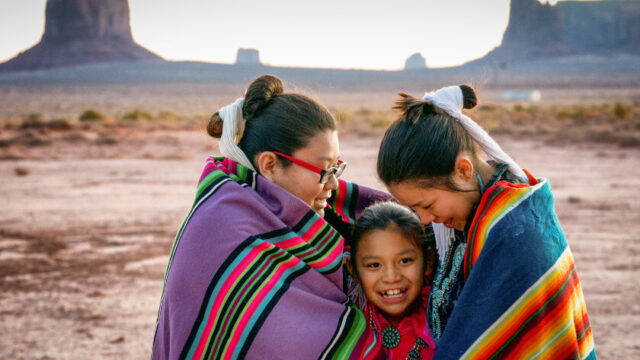
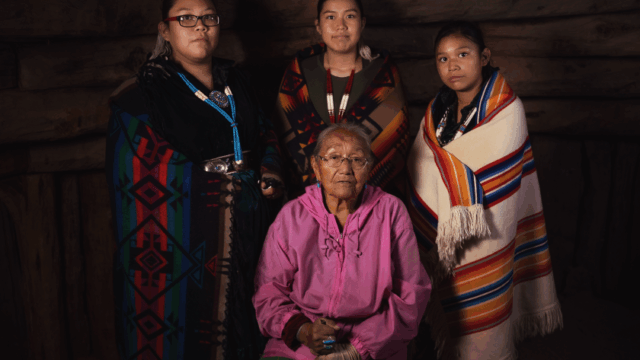
Grandparents and other relatives play a vital role in Native American communities, raising roughly 200,000 Native American children whose parents are unable to care for them.
This resource details multiple ways that jurisdictions have strengthened and deepened their relationships with private child welfare agencies in light of kin-specific licensing, using newly freed-up resources to focus on higher-level supports.
Using data collected from USAging’s 2025 nationally representative survey of AAAs, this report summarizes the types of services AAAs offer to kinship families and their top challenges in doing so.
Supporting American Indian and Alaska Native (Native) children, relative caregivers, and families requires first understanding traditional ways of child-rearing, teaching, and learning among Indigenous communities and the impacts of historical trauma.
Federal Nutrition Programs and Emergency Food Referral Chart for Grandfamilies and Kinship Families
The goal of this piece is to provide replicable ideas to others wanting to provide supportive legal assistance to kinship families in their communities.
The Kin-Specific Foster Home Approval Standards were created to assist title IV-E child welfare agencies implement the commonsense flexibility of a federal rule allowing agencies to use separate, tailored foster care standards for grandparents and other kin.
This guide outlines no-cost mental health training resources for professionals and providers who interact with kinship/grandfamilies.
This guidebook discusses several important considerations and suggests a process through which tribes can develop locally appropriate standards.