GRANDfamilies Kinship Care at Children's Service Society of Utah
Children's Service Society of Utah (CSS) is home to GRANDfamilies Kinship Care, the only kinship-serving program in the state.
To search by any keyword or title, type it in the "search by" field and you'll get all a list of all our resources that use that keyword or title. To search for resources on a specific topic, select a topic using the drop down menu.
Showing 111–120 of 203 results
Children's Service Society of Utah (CSS) is home to GRANDfamilies Kinship Care, the only kinship-serving program in the state.
Learn how the Network is identifying exemplary policies, practices, and programs that are helping kinship/grandfamilies.
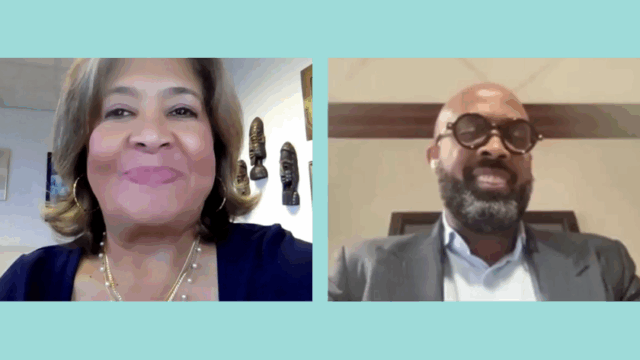
This video presents key takeaways from a conversation between Karyne Jones, President and CEO of the NCBA and Reverend Dr. Frederick D. Haynes, III, Senior Pastor of Friendship West Baptist Church in Dallas, Texas.
To help you support these families, acknowledge their strengths, and address their challenges, this guide contains links to an array of resources for you as a service provider.
An important federal rule for title IV-E child welfare agencies around the country has changed to support kinship families in the foster care system.
Dr. Joseph Crumbley offers strategies to be used to help kin/grandfamily caregivers adjust and adapt as they navigate new family dynamics in their role as primary caregivers.
The following list contains housing developments for grandfamilies. The list is being added to as more housing developments come to our attention.
Utilizing opportunities to draw on existing data can be a cost-effective way to support program and planning efforts for children and caregivers.
New responsibilities for children often bring new concerns for the future for older kin caregivers. You can help grandfamilies make the plans they need to put their minds at ease.
In this resource, you will find tips and tools to identify and secure funding for your kinship services.